
Section 02
Explore the Enclaves, Schools, and History of Preston Hollow
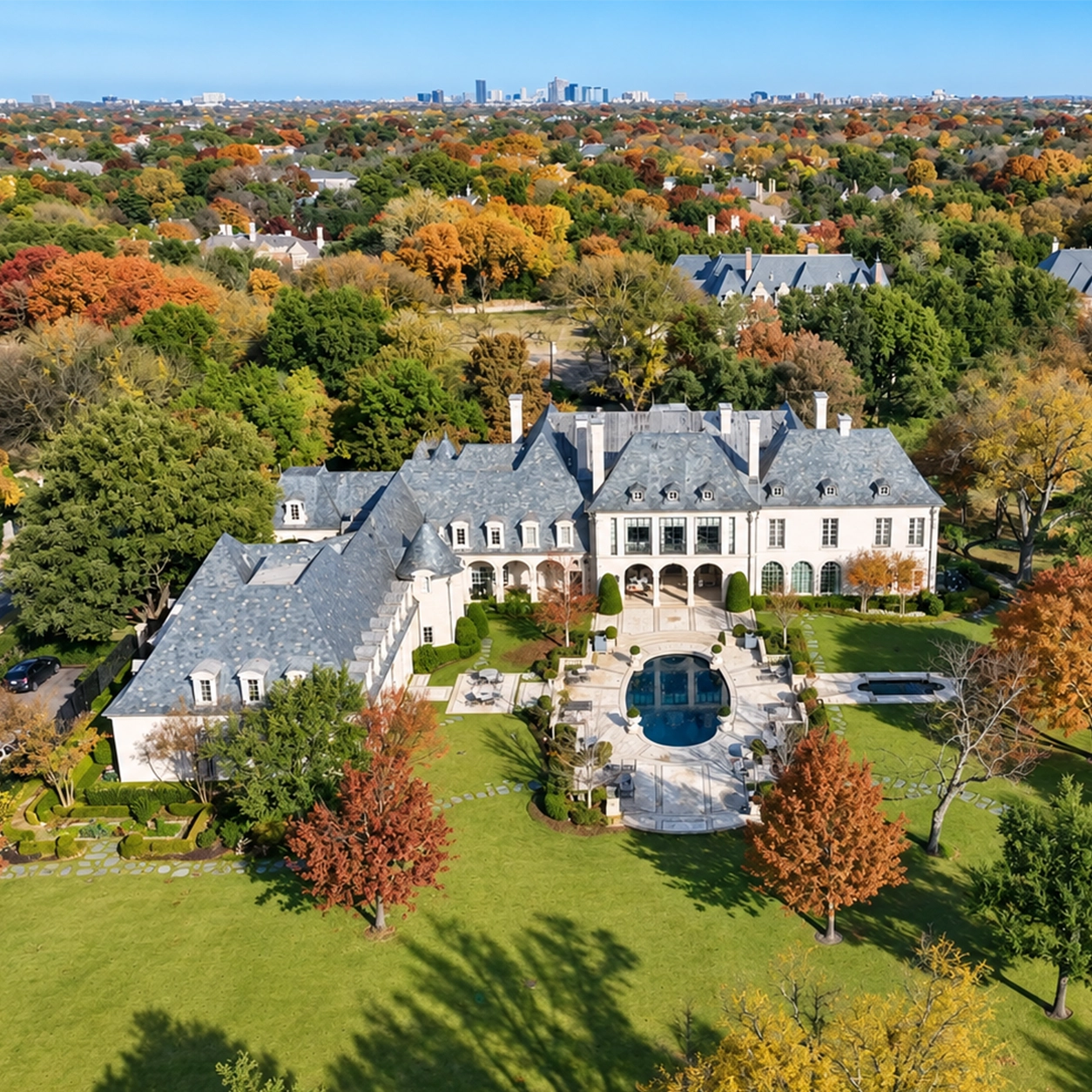
Preston Hollow began as farmland along Preston Road, patented to the Lively, Howell, and Meaders families in the 1850s. Developer Ira P. DeLoache purchased the first 56 acres in 1924 and platted the lots that became Old Preston Hollow, and residential development accelerated through the 1930s and '40s under architects like Charles Dilbeck. The neighborhood incorporated as its own town in 1939 and voted to join the City of Dallas in 1945 — but the character that made it worth incorporating in the first place never left.
Unlike Highland Park's incorporated 2.2 square miles, Preston Hollow has been part of the City of Dallas since 1945, which means Dallas ISD zoning and city services rather than a standalone municipal government — paired with the same estate-lot scale, mature tree canopy, and one of the country's most concentrated private-school corridors alongside it.
Use the menu above to jump straight to the pocket of the neighborhood, school corridor, or history you're most curious about.
Section 03
If You Are Interested in Preston Hollow, You Will Be Interested in Working with Dana Pollard Group
We don't just find you a listing in Preston Hollow. We match you to the right pocket of the neighborhood first, then protect that decision at every step. Our Lifestyle Audit, Asset Protection Protocol, and Market Velocity Check are built specifically for a market this layered, where a 1930s estate and a 2020s rebuild can sit on the same block.
Section 04
Featured Homes in Preston Hollow
Section 05
Signature Enclaves of Preston Hollow
Old Preston Hollow
The neighborhood's original core, platted in the 1930s and bounded by Walnut Hill Lane, Preston Road, Northwest Highway, and Midway Road. Nicknamed "the honeypot" locally, known for traditional estates set well back from the street.
Mayflower Estates
A secluded pocket of architect-designed modern and estate homes reached by narrow, gated streets — among the most private addresses in the neighborhood.
Strait Lane & Bluffview
Home to some of Preston Hollow's largest and most architecturally significant estates, including the 25-plus-acre Crespi/Hicks Estate.
Walnut Hill to Forest Lane
An estate corridor that has drawn renewed attention in recent years for its distinguished, larger-format homes.
Preston Hollow East
Established mid-century traditional homes on a more accessible scale than the Old Preston Hollow core, without leaving the neighborhood's boundaries.
Section 06
Today's New Preston Hollow Listings and MLS Status Changes
Section 07
Life in Preston Hollow
Preston Hollow's amenity base blends easy retail with genuine privacy: Preston Hollow Village, Preston Center Pavilion, and The Plaza at Preston Center cover everyday shopping and dining, while NorthPark Center and Highland Park Village are minutes away for anything more.
The neighborhood's wooded creeks, small lakes, and rolling terrain are unusual for North Texas and give many streets a canopy and topography closer to New England than to a flat North Texas grid. Downtown Dallas and the Arts District are roughly 8 minutes away, and DFW International Airport is about 15 minutes — a rare combination of estate-lot scale and true urban proximity.
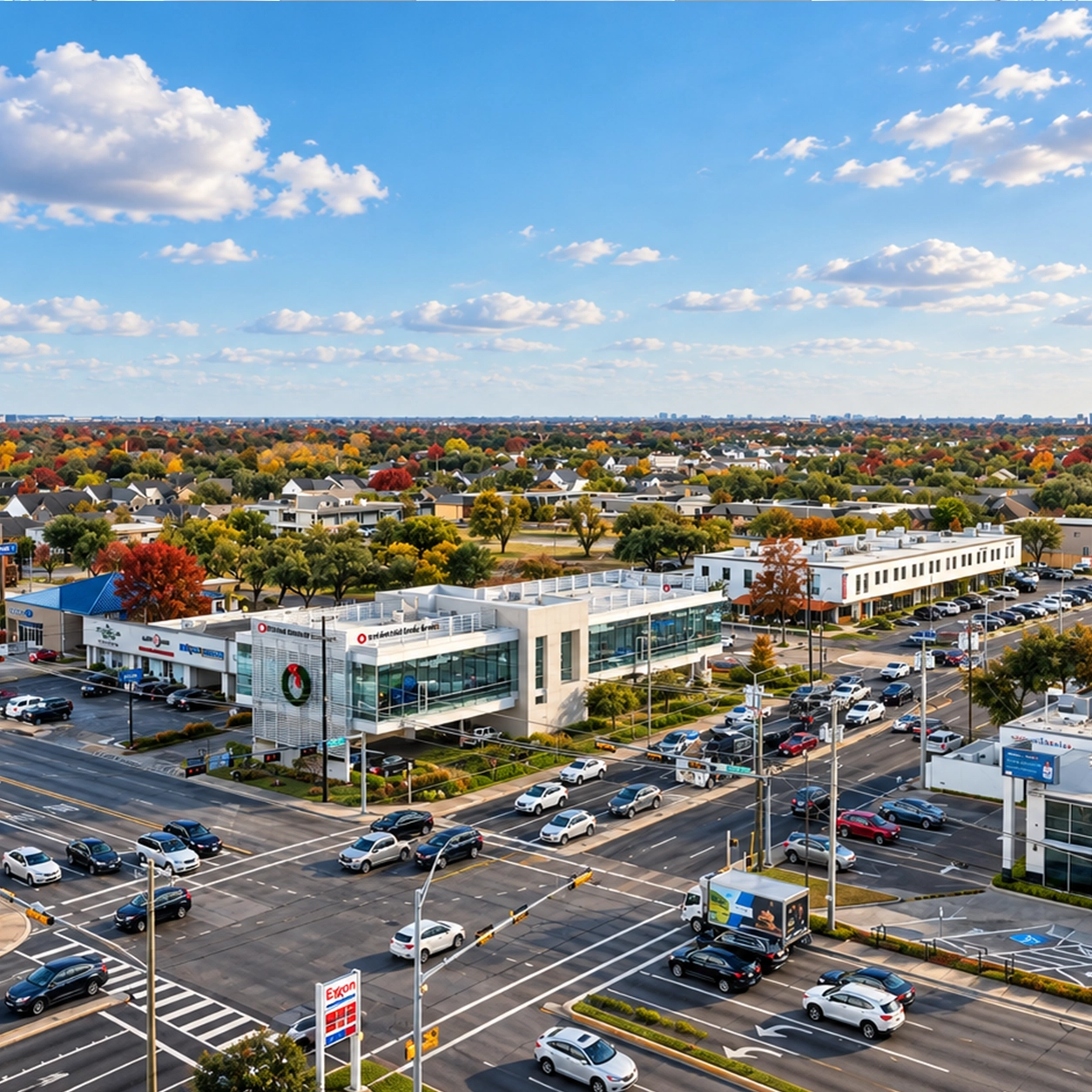
Preston Center's shopping district
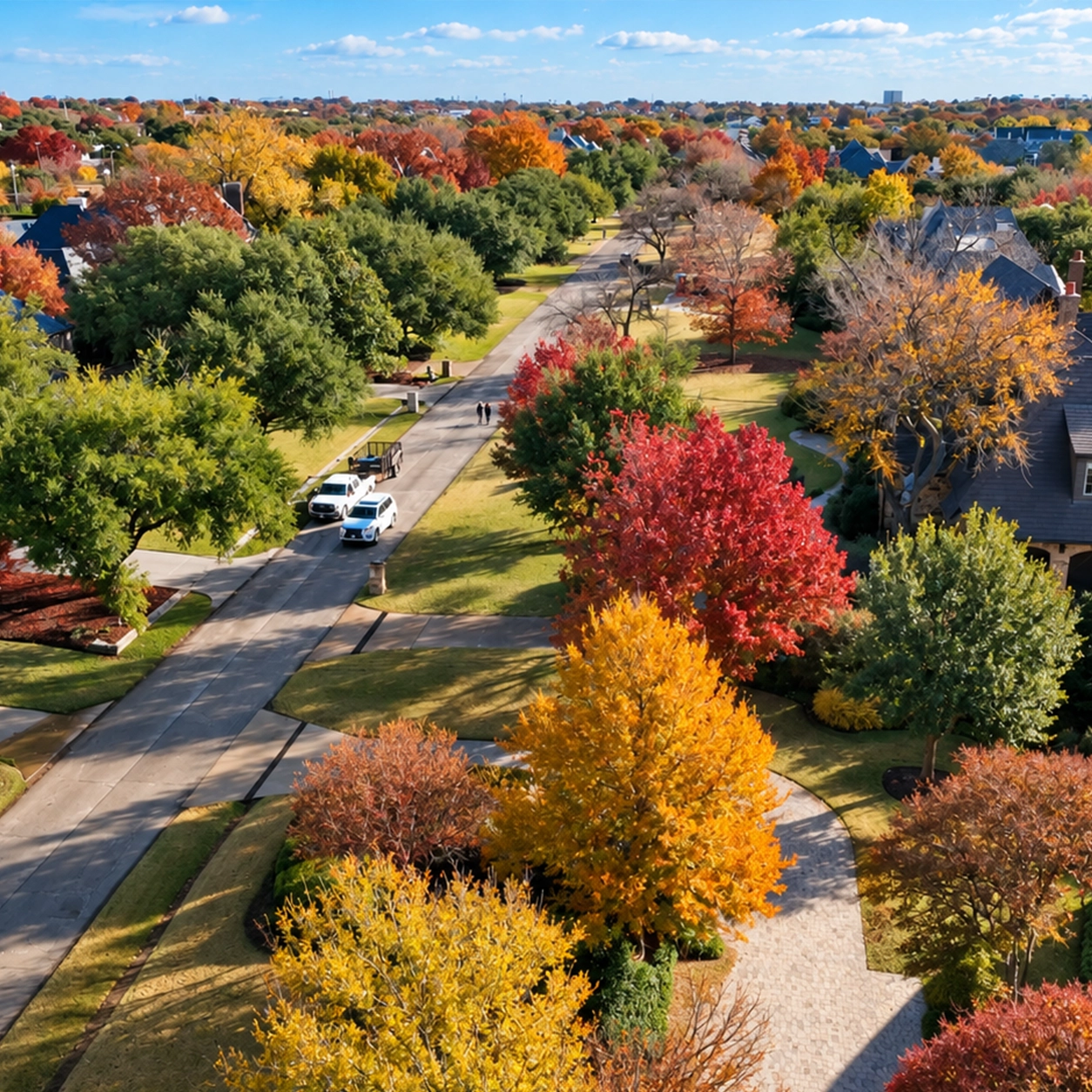
Tree-lined residential streets throughout Preston Hollow
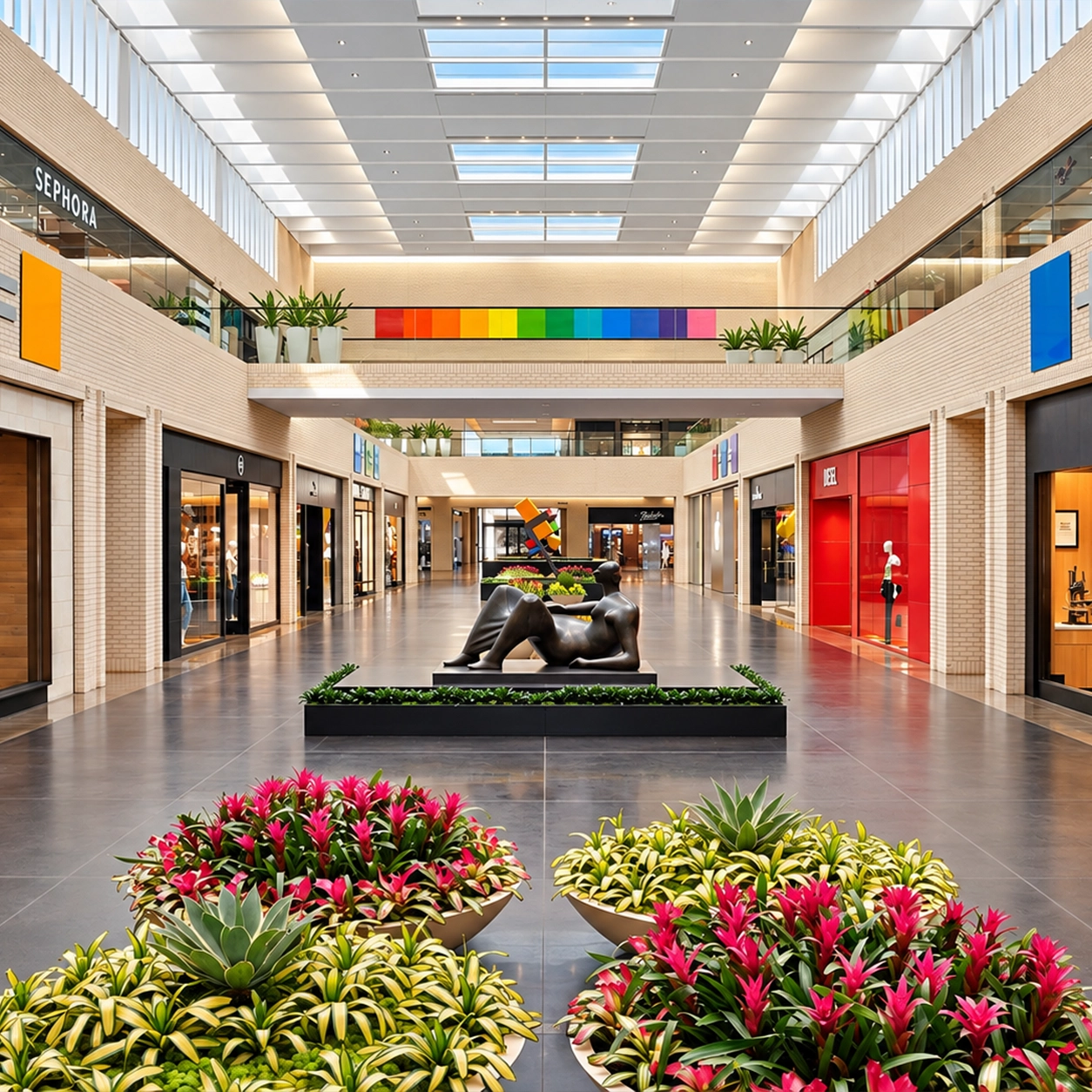
NorthPark Center, minutes from Preston Hollow
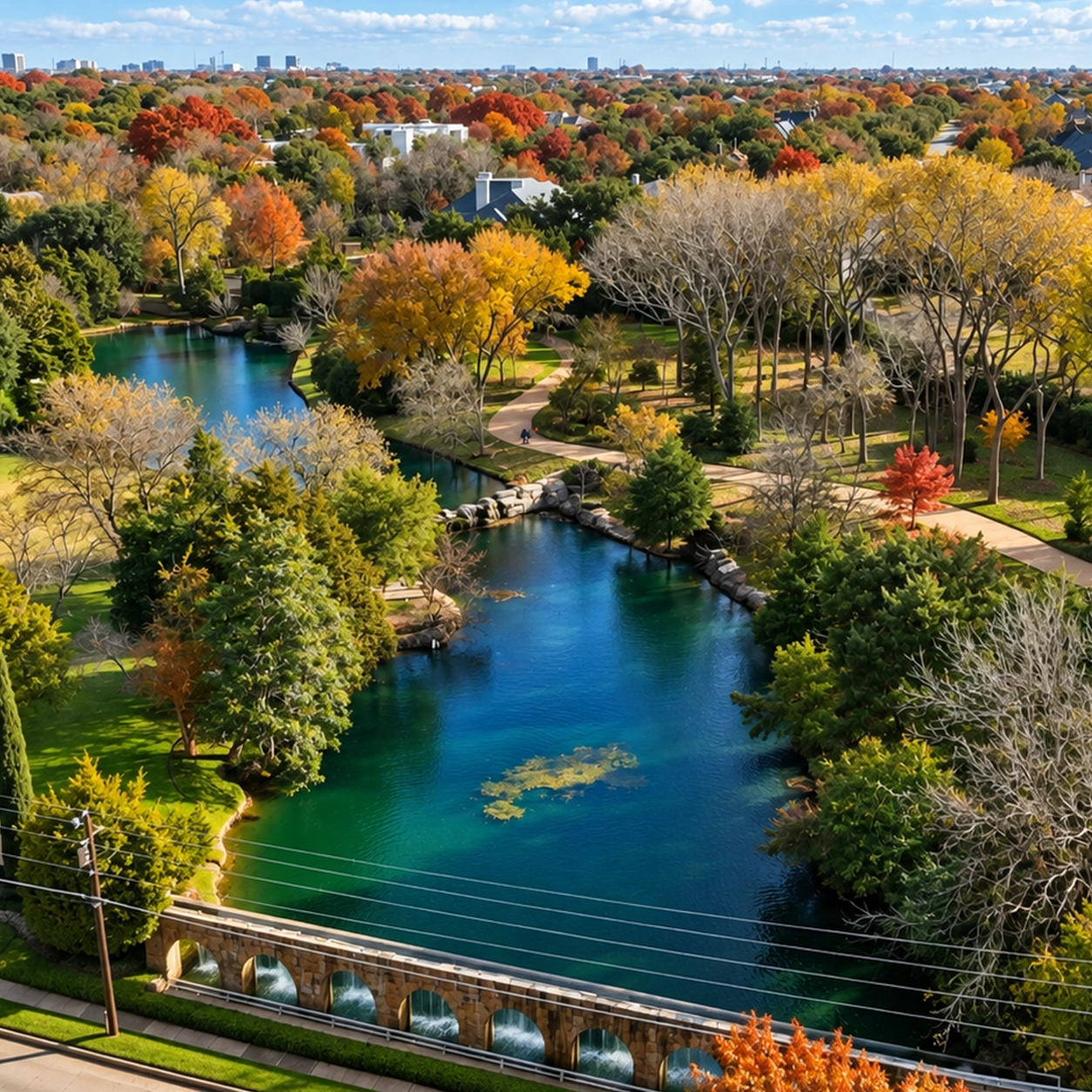
A wooded creek and pond within the neighborhood
Section 08
Dana Pollard Group Insights of Preston Hollow
A Century of Architecture Means Condition Varies Block by Block
Preston Hollow's building stock spans 1930s Charles Dilbeck estates, mid-century modern work, and contemporary rebuilds — often on the same street. That range is part of the neighborhood's character, but it also means a beautiful facade can hide very different levels of deferred maintenance depending on when and how a specific home was last touched.
Public Zoning and the Private-School Corridor Are One Decision, Not Two
Most relocating families treat "which school district" and "which private schools are nearby" as separate questions. In Preston Hollow they're the same question — Dallas ISD zoning and a genuinely dense cluster of independent schools sit inside the same few square miles, and the right answer depends on your family's priorities more than the neighborhood's reputation.
Section 09
History of Preston Hollow
Farmland Along Preston Road
Preston Hollow's land traces to the 1850s, patented out of the Peters Colony land grants to the Lively, Howell, and Meaders families. It remained farmland for decades before residential development began in earnest in the 1920s.
Old Preston Hollow Takes Shape
In 1924, developer Ira P. DeLoache purchased the first 56 acres and platted the lots that became Old Preston Hollow, working alongside Al Joyce. Architect Charles Dilbeck designed many of the neighborhood's defining estates through the 1930s and '40s.
Incorporation, Then Annexation
Preston Hollow incorporated as its own town in 1939. In 1945, residents voted to join the City of Dallas, folding the neighborhood into Dallas ISD and city services rather than remaining a standalone municipality — the same era Highland Park chose the opposite path and stayed independent.
A Legacy of Architectural Range
Later decades brought mid-century modern work from architects including Harwell Hamilton Harris and Edward Durell Stone, and more recently contemporary design from architects including Richard Meier — giving Preston Hollow a building history few single-decade subdivisions can match.
Section 10
Sold MLS Homes in Preston Hollow
Schools
Dallas ISD Zoning & the Private-School Corridor
Most Preston Hollow addresses are zoned to Dallas ISD, with Preston Hollow Elementary serving the core of the neighborhood. Because DISD zoning can shift block by block, we confirm the exact zoned school for any specific property before you tour, not after. Preston Hollow also sits inside one of the most concentrated private-school corridors in Dallas — all within a few minutes of the neighborhood:
St. Mark's School of Texas
The Hockaday School
Episcopal School of Dallas
Greenhill School
Jesuit College Preparatory School of Dallas
Ursuline Academy
Parish Episcopal School
Market Snapshot
A Wider Range Than a Single Enclave
Preston Hollow's inventory spans a wider range than most single-enclave markets — small cottages sit within blocks of multi-acre estates, and true large-acreage properties are scarcer than the neighborhood's reputation suggests, with most lots in the roughly half-acre to two-acre range. Pricing generally tracks with Highland Park on a per-square-foot basis, but across a much wider spread of lot sizes and home ages, which rewards buyers who know exactly which pocket and lot profile they're targeting.
The DPG Difference
From Transaction to Strategy
We don't just find you a listing in Preston Hollow. We match you to the right pocket of the neighborhood first, then protect that decision at every step.
Lifestyle Audit
We map your priorities (Old Preston Hollow's established prestige vs. Mayflower Estates' seclusion, public DISD zoning vs. the private-school corridor) before we ever start touring.
Asset Protection Protocol
An on-site field team vets each property's actual condition, critical in a market where a 1930s estate and a 2020s rebuild can sit on the same block.
Market Velocity Check
A real-time read on what's actually available versus what's likely to sit, so your offer strategy is built on current conditions, not the neighborhood's legend.
The Acquisition
Confident, decisive action once the right property in the right pocket surfaces, because in Preston Hollow, true estate-lot inventory doesn't sit for long.
Frequently Asked Questions
Preston Hollow, Answered
What school district serves Preston Hollow, TX?
Is Preston Hollow a good fit for relocating families?
How big is Preston Hollow, and what are typical lot sizes?
How far is Preston Hollow from downtown Dallas?
What's the difference between Preston Hollow and Highland Park for a relocating family?
Does Preston Hollow have HOA fees or MUD/PID taxes?
Ready When You Are
Find Your Enclave in Preston Hollow
Start with a short Lifestyle Audit (a few questions, not a full intake form) and we'll take it from there.